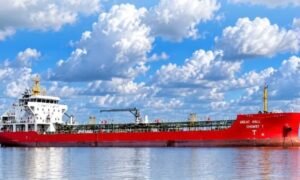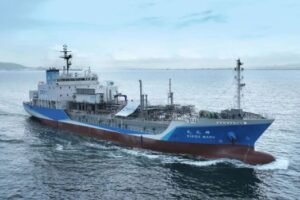
The European Union has added 41 more vessels to its sanctions list targeting Russia’s so-called shadow fleet as part of its 21st package of measures aimed at tightening pressure on Moscow over its war in Ukraine.
The latest additions bring the total number of sanctioned vessels to 673, with the measures targeting non-EU tankers used to circumvent the G7 oil price cap, support Russia’s energy sector, transport military equipment or carry stolen Ukrainian grain.
The package also expands existing rules to cover vessels providing bunkering and other services to the shadow fleet. In addition, the EU sanctioned eight companies and one individual linked to the shadow fleet ecosystem, including firms operating on behalf of Russian oil majors and, for the first time, a crewing agency supporting the fleet.
Beyond shipping, the sanctions significantly widen restrictions on Russia’s financial sector, imposing asset freezes on 94 banks and financial institutions while extending transaction bans to 33 more Russian lenders. The EU also targeted crypto service providers accused of helping Russia evade sanctions.
In the energy sector, the EU paused the automatic adjustment of the Russian oil price cap until 15 July 2027, citing exceptional market conditions following the closure of the Strait of Hormuz. It also introduced new powers to ban transactions with refineries processing Russian crude, sanctioned several refineries in Russia and Belarus, and added new reporting requirements for sales of LNG tankers to reduce the risk of vessels being diverted to Russia.
The package also expands export controls on goods and technologies with military applications, adds new import restrictions on Russian raw materials and industrial products, and introduces the legal basis for a future EU-wide visa ban on Russian combatants.