
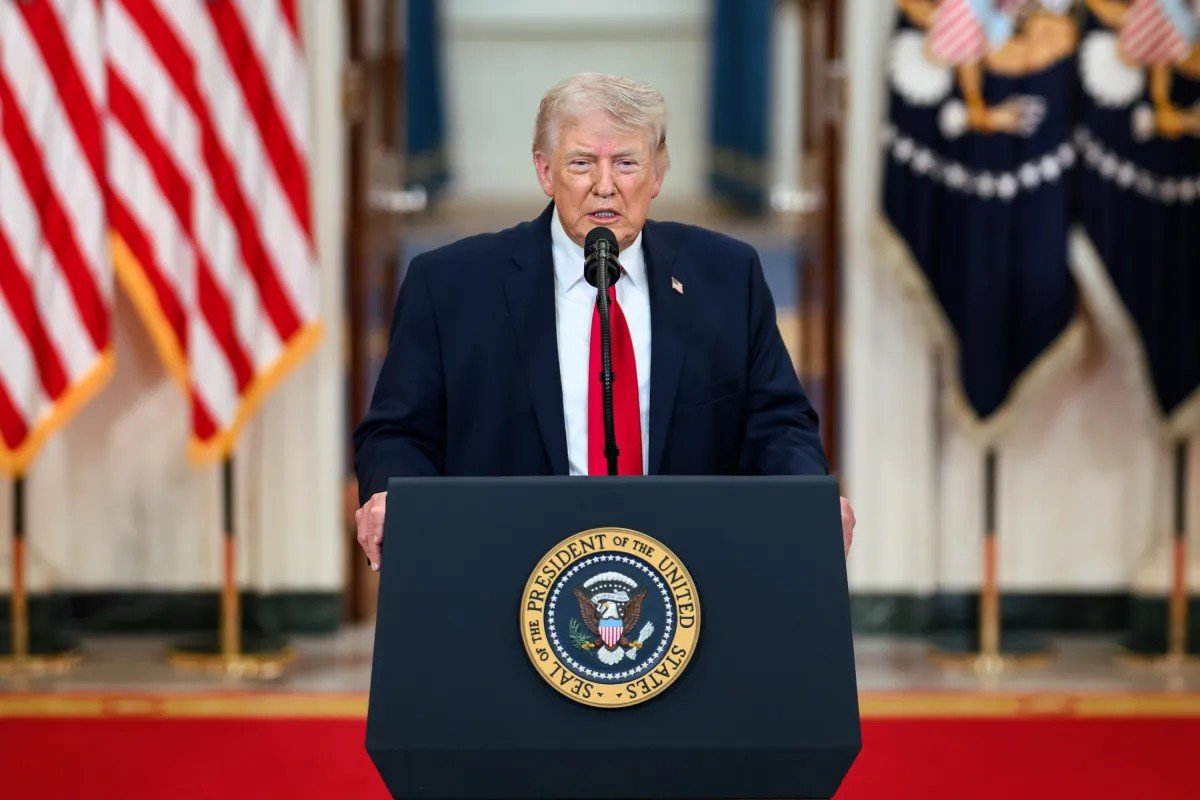
US President Donald Trump has announced a two-week ceasefire with Iran, offering a short-term de-escalation in a crisis that had severely disrupted shipping through the Strait of Hormuz.
The agreement includes provisions for the safe passage of vessels, raising expectations that tanker traffic could begin to recover. However, industry participants remain cautious over whether ships will quickly return to the region.
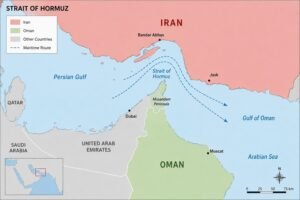
The Strait — a critical artery for global oil and refined product flows — has seen traffic drop sharply in recent weeks amid escalating security risks and attacks on commercial vessels.
Responding to the development, the International Maritime Organization Secretary-General Arsenio Dominguez welcomed the ceasefire but stressed that ensuring safe navigation remains the immediate priority.
“For the health and wellbeing of seafarers and the global shipping industry, I welcome the ceasefire announced in the Middle East. I am already working with the relevant parties to implement an appropriate mechanism to ensure the safe transit of ships through the Strait of Hormuz. The priority now is to ensure an evacuation that guarantees the safety of navigation.”
Adding to the fragile outlook, US and Iranian officials are expected to meet in Islamabad on Friday to negotiate a more concrete agreement, with the talks seen as a critical next step beyond the temporary truce.
These negotiations are expected to focus on a broader framework to stabilise the region and secure long-term maritime flows through Hormuz.
For now, however, the gap between political progress and operational confidence remains.
Insurance remains a key constraint. War risk premiums surged during the crisis and are unlikely to fall materially unless the ceasefire holds and security conditions visibly stabilise.
Crew safety is another critical factor, with thousands of seafarers directly exposed to the crisis, reinforcing operator reluctance to immediately resume normal transit patterns.
For bunker markets, the ceasefire has already softened sentiment, with crude prices coming under pressure as the geopolitical risk premium unwinds. However, a sustained correction will depend on whether flows through Hormuz normalise.
Ultimately, while the ceasefire provides a narrow window for recovery, the key question remains whether confidence — not just access — has returned.
For now, the industry appears to be watching closely rather than moving decisively.