
United European Car Carriers (UECC), a Norway-based short-sea RoRo operator, reported a significant rise in CO₂ emissions reductions in 2025, driven mainly by greater use of liquefied biomethane (bio-LNG) in its fuel mix.
The company achieved emissions cuts of 154,468 tonnes of CO₂ in 2025, marking a 44% increase from 107,173 tonnes in 2024, as it moves towards a 2030 target of 186,263 tonnes, equivalent to a 45% reduction from 2014 levels.
UECC said the reduction is equivalent to removing around 38,000 ICE cars from the road, eliminating emissions from 514 London–New York round-trip flights, or growing 2.5 million tree seedlings over 10 years.
While alternative fuels accounted for around 42% of the fuel mix, broadly unchanged year-on-year, the company achieved stronger emissions cuts by increasing the share of bio-LNG within its LNG consumption.
Under its Sail for Change initiative, bio-LNG accounted for 71% of LNG use in 2025, up sharply from 31% in 2024, reflecting wider deployment of the fuel across its fleet.
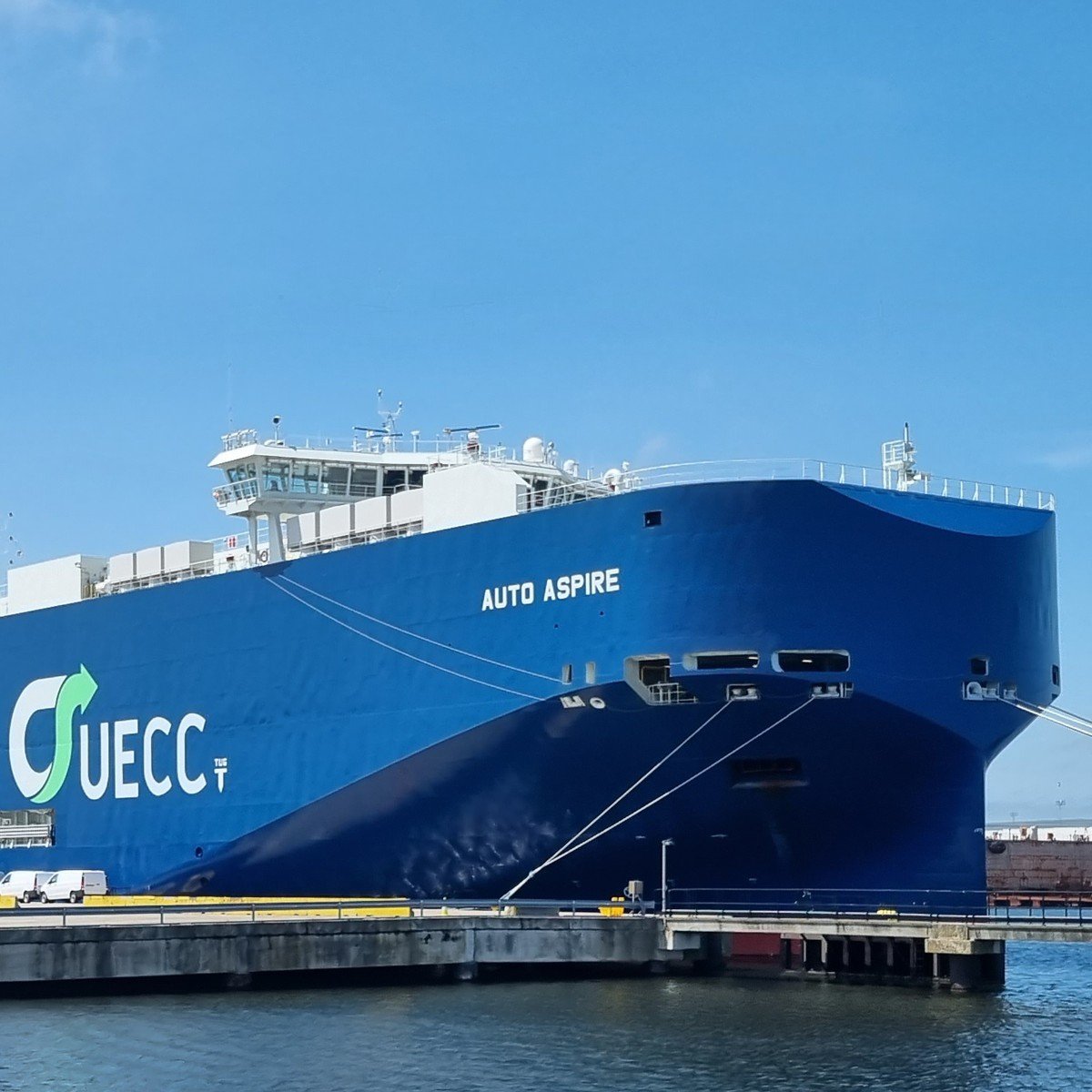
UECC currently operates seven dual- and multi-fuel LNG pure car and truck carriers (PCTCs) within a 16-vessel fleet, with four additional newbuildings on order.
Three vessels are already bunkering bio-LNG on UECC’s North–South European trade routes, supported by cargo owners including Toyota, Ford and JLR.
CEO Glenn Edvardsen said the results demonstrate that early investments in LNG- and bio-LNG-capable vessels and biofuel adoption are delivering measurable gains, while also reducing exposure to EU ETS and FuelEU Maritime compliance costs.
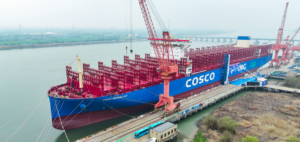
The company is also expanding its alternative fuel bunkering network and progressing with four multi-fuel LNG battery hybrid newbuild PCTCs under construction in China, with deliveries expected from 2028.
Alongside fuel switching, UECC is advancing energy efficiency measures, including digital voyage optimisation tools and hull cleaning systems, as part of its broader strategy to reach net zero by 2040.