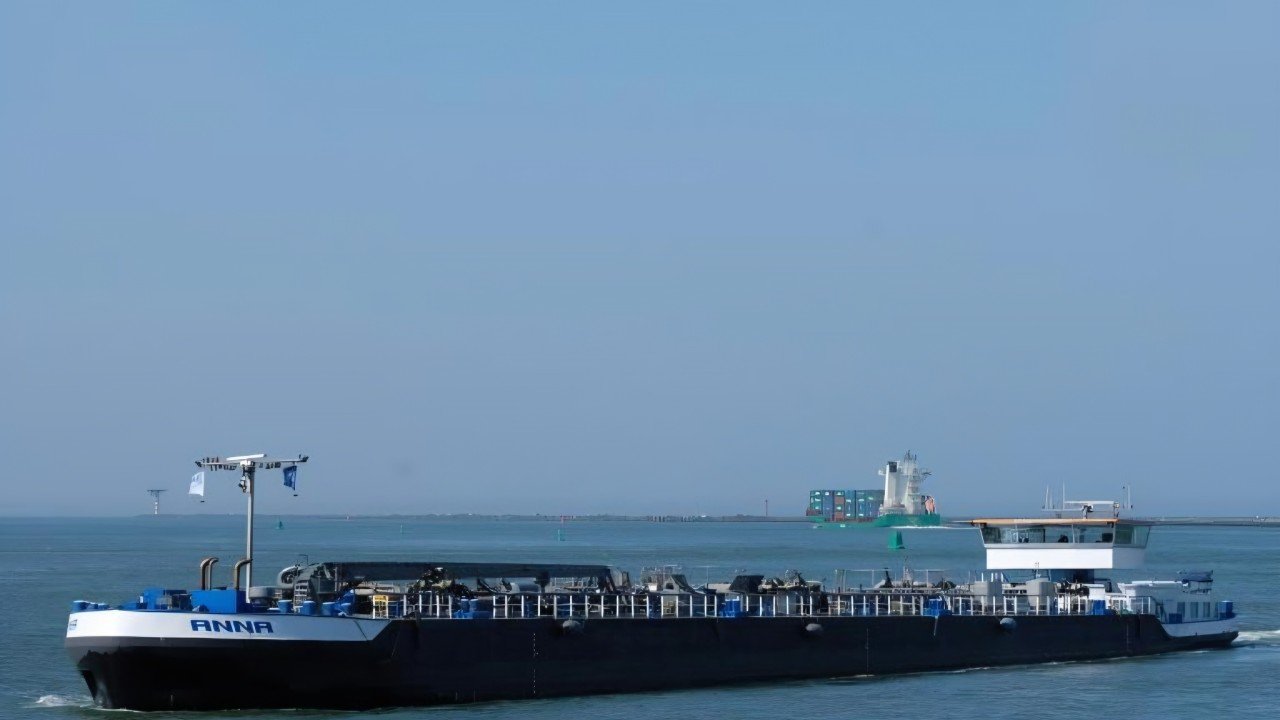
Marine fuel supplier Burando Energies said it accounted for around 30% of all biofuel-blended marine fuel and B100 volumes bunkered at the Port of Rotterdam in the first half of 2026.
The company said the figure, based on Port of Rotterdam Authority data, excludes alternative marine fuels such as methanol, ethanol and LNG.
Burando attributed Rotterdam’s growing biofuel demand to Dutch regulations implementing the EU’s Renewable Energy Directive (RED III) for the maritime sector.
According to the company, the Netherlands is currently the only major bunkering hub in the Amsterdam-Rotterdam-Antwerp (ARA) region to have transposed RED III for marine fuels, creating an emissions reduction unit (ERE)-based discount mechanism that makes biofuel blends cheaper than comparable products supplied from ports outside the country.
The company said the pricing advantage has made Rotterdam one of Europe’s most competitive ports for shipowners seeking to reduce compliance costs under the EU Emissions Trading System (EU ETS) and FuelEU Maritime regulations.
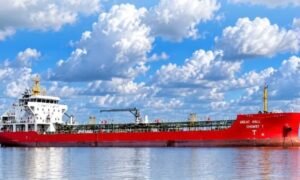
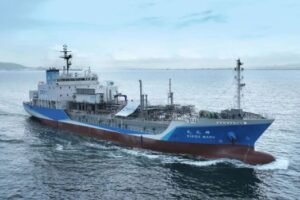
Burando said it has invested in dedicated biofuel infrastructure, including its company-owned blending terminal at AFT Amsterdam, supported by its fleet of biofuel bunker barges and an in-house sustainability team responsible for compliance documentation.
The supplier said it offers biofuel blends based on HSFO, VLSFO and marine gasoil, as well as B100 FAME, B100 HVO and B100 FAME Residue, supplying customers across Dutch and Belgian ports, including Zeebrugge.
“We are extremely proud to see the trust of our new and repeat customers supporting the growth of our operation and enabling us to continuously improve both our physical products and associated compliance documents,” said Nick de Haan, Head of Decarbonisation Strategies at Burando Energies.
Looking ahead, Burando said it expects biofuel demand in Rotterdam to continue rising as FuelEU Maritime requirements tighten and the cost of using conventional marine fuels under the EU ETS increases.
The company added that it is also investing in shore- and water-based logistics capacity to support the supply of low-carbon methanol as it looks to expand its portfolio of alternative marine fuels.