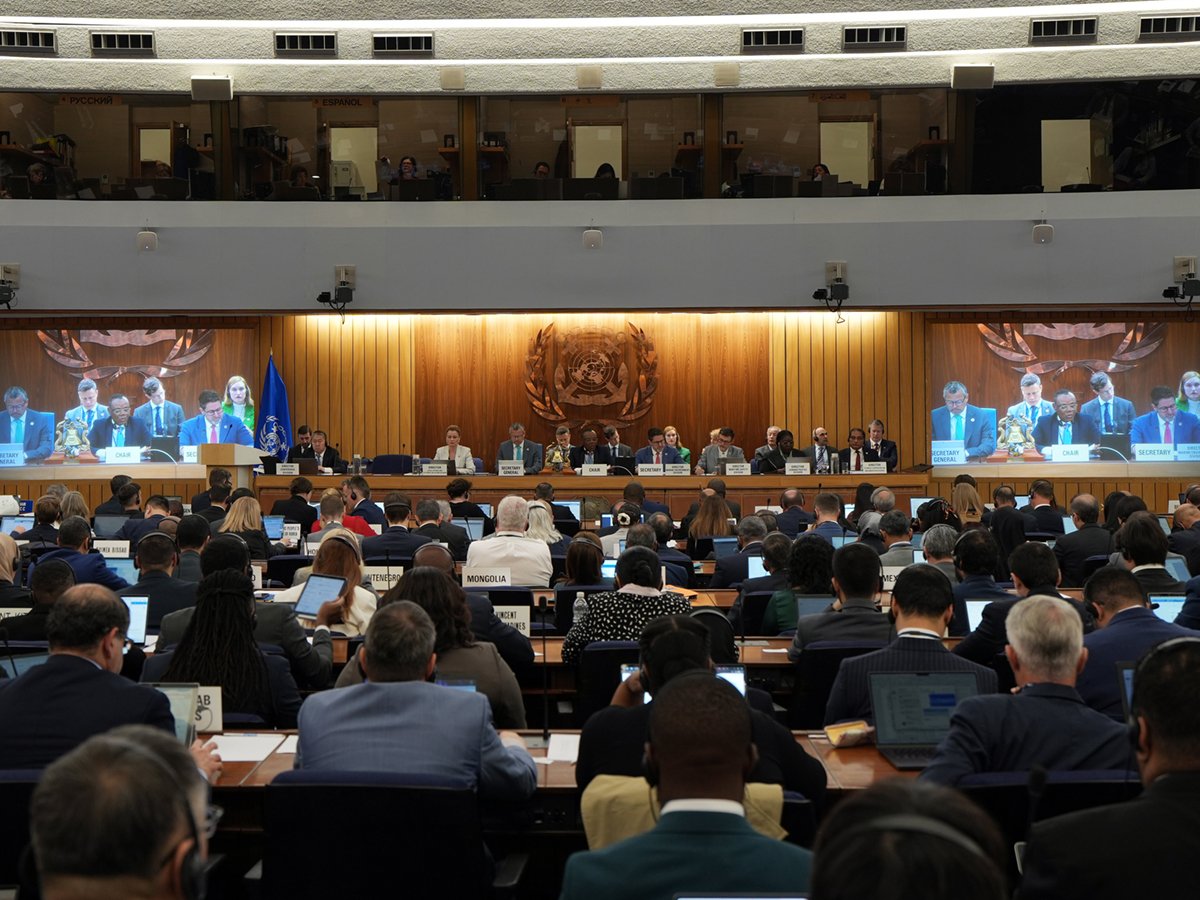
The IMO’s Marine Environment Protection Committee (MEPC 84) concluded this week in London with negotiations on global shipping emissions moving into a decisive phase, as Member States prepare for a potential breakthrough on the sector’s Net-Zero Framework in December.
Nearly 100 delegations took the floor during the 27 April–1 May meeting, highlighting persistent divisions over how to design the IMO’s “mid-term measures” — including fuel standards, compliance mechanisms, and potential pricing elements.
Closing the session, IMO Secretary-General Arsenio Dominguez said: “We are back on track, but we have to rebuild trust. I encourage you to maintain this momentum through your intersessional work and to prepare submissions that can bring the membership together.”
Net-Zero Framework moves into critical phase
While MEPC 84 did not resolve key policy questions, it established a structured pathway to drive convergence ahead of year-end.
The Committee agreed to:
- Launch an intersessional working group to address outstanding disagreements
- Allow new amendments and revisions to draft measures
- Hold two negotiating rounds:
- 1–4 September 2026
- 23–27 November 2026
- Convene a technical workshop on “chain of custody” systems to track lifecycle emissions of marine fuels
These discussions will feed into MEPC 85 (30 November–3 December), followed by the resumed extraordinary session on 4 December, where a political agreement is increasingly expected.
The negotiations are now shifting toward technical detail, particularly around lifecycle emissions accounting, compliance design, and how any global system would be enforced across jurisdictions.
Key sticking points remain
Despite procedural progress, several core issues remain unresolved:
- Lifecycle emissions accounting, including treatment of different fuel pathways
- Structure of a global measure, including whether pricing elements are adopted
- Equity considerations between developed and developing states
- Monitoring and verification, where chain-of-custody models are likely to play a central role
These issues will define both the environmental integrity and commercial impact of the final framework.
Wider environmental outcomes
Alongside GHG negotiations, MEPC 84 delivered a number of regulatory developments:
North-East Atlantic ECA approved
A new Emission Control Area covering waters up to 200 nautical miles from several European states will enter into force in September 2027, with stricter limits on SOx, NOx and particulate matter applying from 2028.
Strait of Hormuz concerns
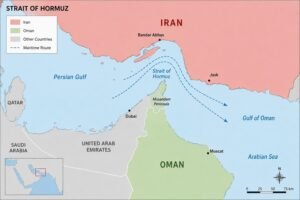
The Committee adopted a resolution condemning attacks on shipping in the region, warning of potential large-scale marine pollution risks. The IMO Secretariat has been tasked with monitoring the situation.
Plastics and pellets
Delegates adopted a 2026 marine plastic litter strategy targeting zero discharge by 2030 and agreed to develop a mandatory code for transporting plastic pellets.
Ballast water and biofouling
Updates to the Ballast Water Management Convention were advanced, while work began on a new legally binding instrument on biofouling.
Underwater noise
Work on underwater radiated noise will continue through 2028, supported by a new IMO study.
Next steps
MEPC 84 stops short of delivering a deal, but it defines the negotiation runway.
With two intersessional meetings scheduled and a compressed timeline leading into December, the IMO now faces a narrow window to finalise the Net-Zero Framework — a policy package that will shape fuel choices, compliance costs, and investment decisions across the global shipping industry.