Carbon Direct and C2X have announced a collaboration to advance the Beaver Lake Biofuels project in Louisiana, a biomass carbon removal and storage (BiCRS) initiative designed to produce low-carbon fuel and durable carbon dioxide removal (CDR) credits.
The project will repurpose the former International Paper Pineville Mill site, closed since 2009, transforming locally sourced forestry residues — including sawmill by-products, bark, and thinning backlogs — into biomethanol. In parallel, the facility will capture and permanently store around 1 million tonnes of CO₂ annually through geological sequestration designed to last more than 1,000 years.
Beaver Lake is expected to produce about 550,000 tonnes of biomethanol per year. The project has already secured long-term commitments, including a 12-year agreement with Microsoft covering 3.6 million tonnes of carbon removal.
The facility is approaching completion of its front-end engineering design (FEED) phase and is targeting final investment decision (FID) in 2026, with operations expected to begin in 2029.
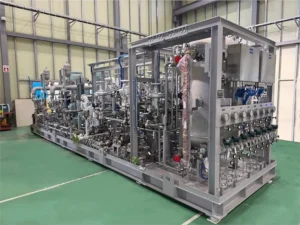
The project will deploy three SunGas Renewables S1000 gasifier systems to generate biogenic syngas, integrating additional commercially proven technologies to produce bio-methanol at scale.
Carbon Direct’s Supply Services division is acting as project contributor, providing scientific advisory services and carbon market expertise to ensure durability, monitoring, and verification standards are met. The company is also supporting go-to-market efforts for the project’s CDR credits.
“This important collaboration with C2X represents an opportunity to bolster a declining market for wood by-products and transform this resource into two complementary climate solutions at scale,” said Greg FitzGerald, Vice President of Supply at Carbon Direct. “We are proud to collaborate with C2X on this breakthrough process that converts forestry residue into biomethanol while simultaneously locking away carbon. This biofuel can help decarbonize key hard-to-abate sectors such as shipping and aviation—where clean alternatives have been challenging to implement.”
“The Beaver Lake project combines the benefits of bio-methanol production for customers in hard-to-abate sectors with permanent carbon removals,” said Brian Davis, CEO of C2X. “To successfully realize this project, we need the active support of industry leaders in all areas of the project’s development. We are pleased to have access to Carbon Direct’s world-class scientific and carbon market expertise to help us secure additional offtake for our high-quality carbon removal credits.”
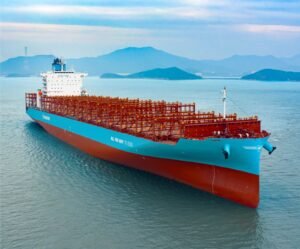
Biomethanol is positioned as a near-term decarbonisation pathway for shipping and aviation, compatible with existing infrastructure and retrofitted marine engines. Lifecycle CO₂ emissions can be reduced by up to 95%, according to the companies, while also improving air quality.
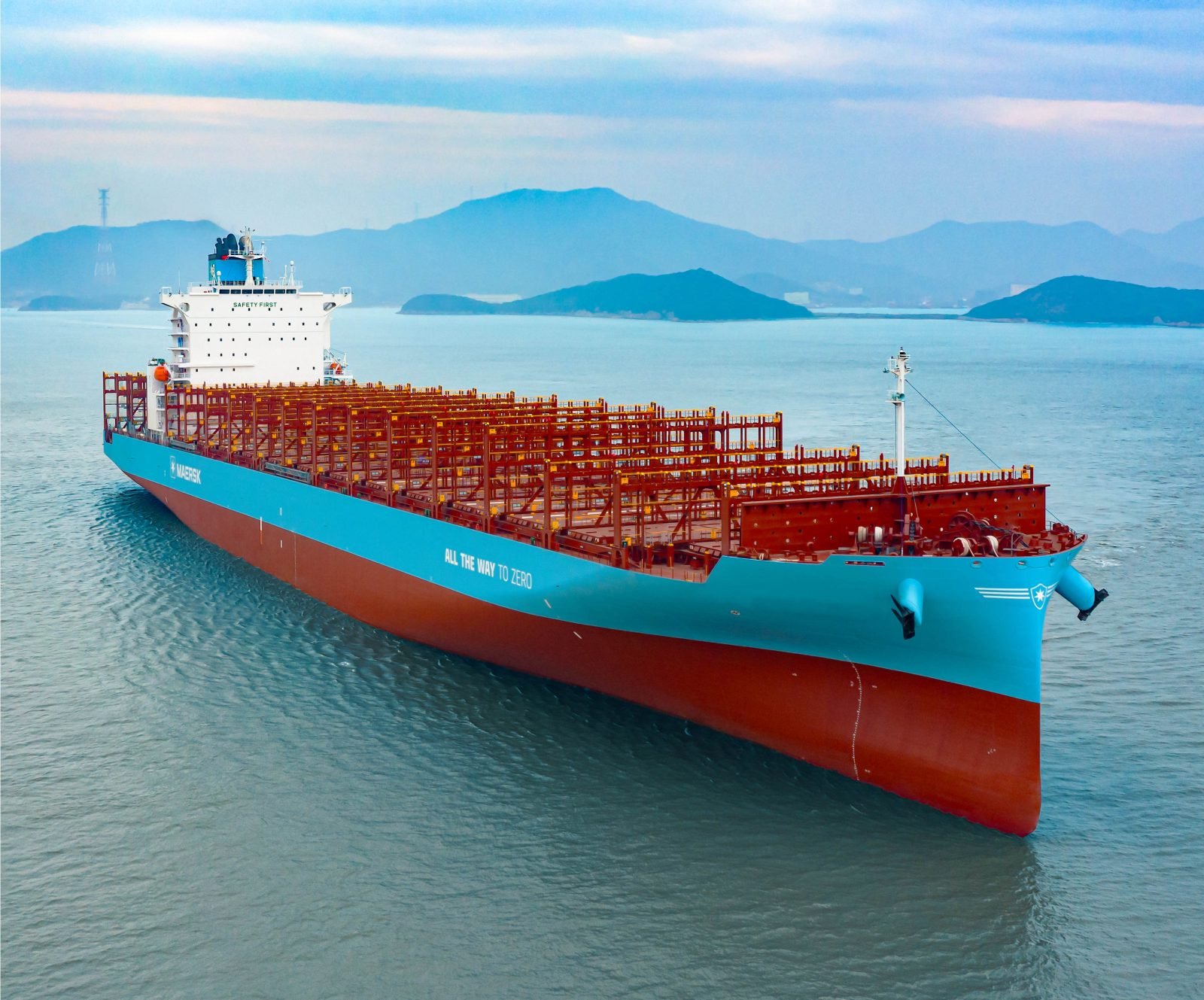
Demand is expected to be supported by regulatory measures, including FuelEU Maritime, which mandates progressively tighter greenhouse gas intensity reductions from 2025 through 2050. With around 60 methanol-capable vessels currently in operation and more than 300 on order, the supply of low-carbon biomethanol remains a key constraint to scale.
During construction, the project is expected to support around 1,150 peak jobs. Once operational, it is forecast to create approximately 660 direct and indirect positions, while reactivating existing industrial infrastructure and minimising new land disturbance.