
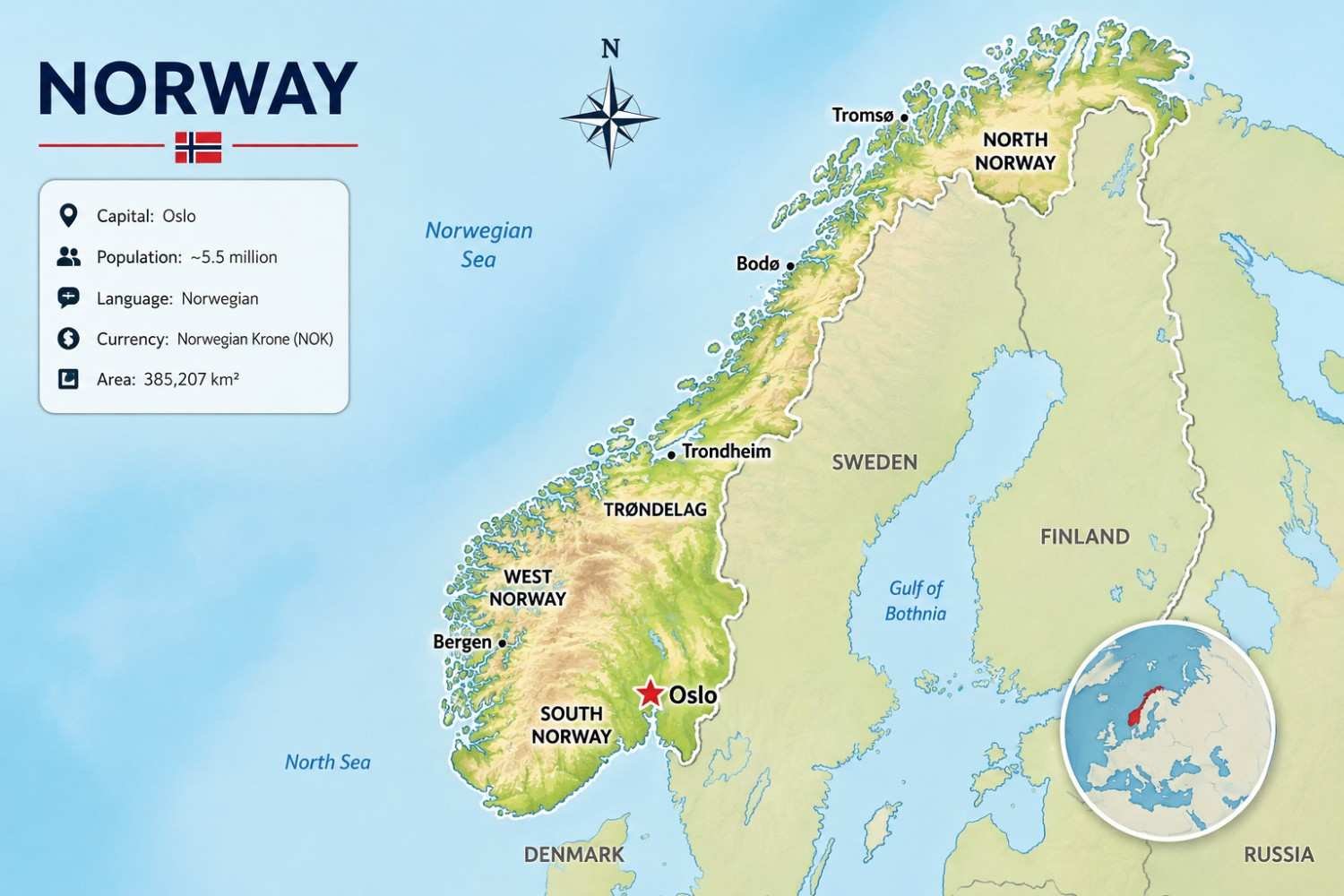
Norway has given the shipping industry more time before bringing FuelEU Maritime into force, saying implementation will not happen before 1 January 2028.
The regulation was previously expected to enter into force in Norway this year. The latest delay means Norwegian operators will have to wait longer for the EU’s maritime fuel rules to be incorporated into national legislation.
For ships calling at Norwegian or Icelandic ports, however, FuelEU requirements do not disappear entirely during the interim period.
Both countries will continue to be treated as third-country ports until the regulation is incorporated into the EEA Agreement and Norwegian law.
As a result, 50% of the energy used on voyages between Norway or Iceland and an EU port will count towards FuelEU compliance. Energy used on voyages within Norway, or between Norway and non-EU countries, will not count.
“Until the Regulation enters into force under the EEA Agreement, only half of the energy used on voyages between a port of call in Norway or Iceland and a port of call in the EU will be counted for FuelEU compliance purposes,” said Marte Hustveit Hauge, Senior Legal Adviser at the Norwegian Maritime Authority.
Norwegian shipping companies are still subject to FuelEU Maritime when operating vessels of more than 5,000 gross tonnage that call at EU ports. Those vessels have already been assigned to EU member states for regulatory oversight.
The Norwegian delay therefore creates a split situation for operators: EU-bound voyages remain within the FuelEU regime, while Norway’s own implementation is pushed further into the future.