
Orders for alternative-fuelled vessels dropped sharply in 2025 as weaker market conditions cooled newbuilding activity, according to annual figures from DNV’s Alternative Fuels Insight (AFI) platform.
Shipowners placed 275 orders for vessels capable of operating on alternative fuels during the year, down from 534 in 2024, a decline of about 47%, Kristian Hammer, Product Manager AFI at DNV, posted on LinkedIn.
Despite the slowdown, alternative fuels maintained a consistent presence in the orderbook, accounting for 38% of total gross tonnage contracted.
Ordering gathered pace towards the end of the year, with 39 alternative-fuelled vessels booked in December alone, including 28 LNG-fuelled and 11 methanol-fuelled ships, mainly in the container segment.
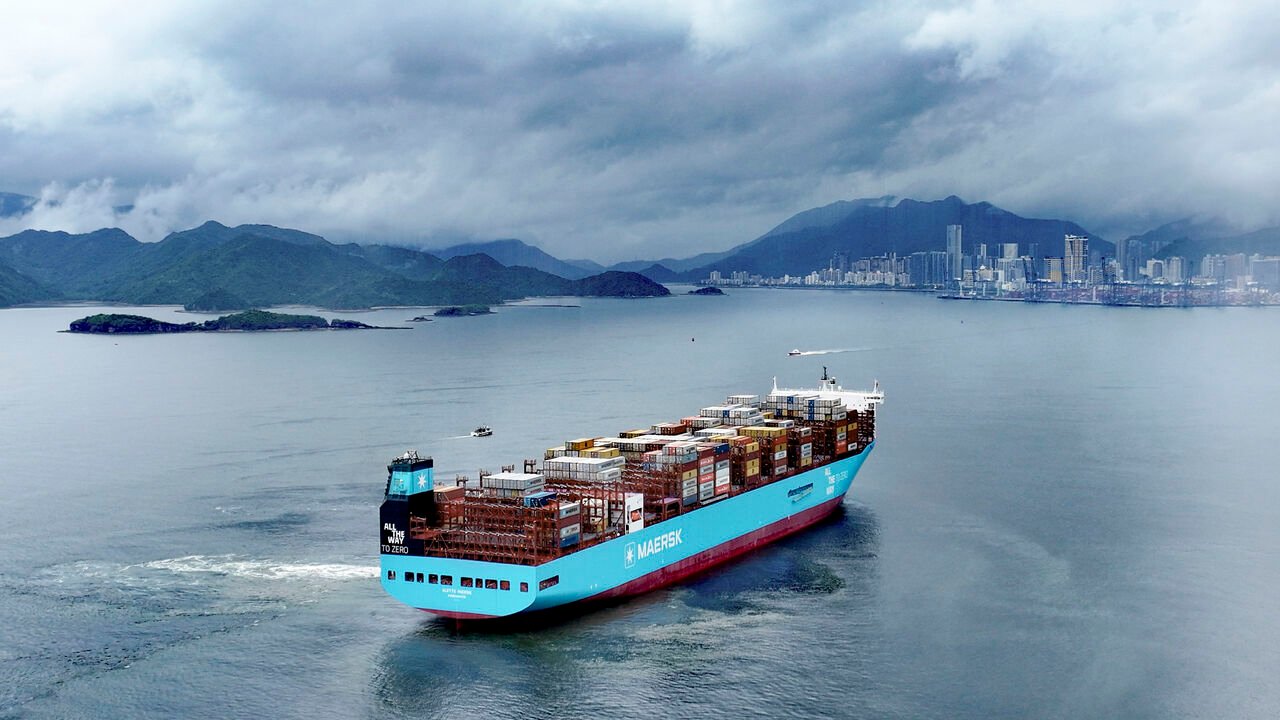
LNG remained the clear front-runner throughout 2025, with 188 orders representing 68% of all alternative-fuelled newbuilds and around 31% of overall gross tonnage ordered. Container vessels dominated demand, making up roughly two-thirds of alternative-fuelled contracts, reflecting continued pressure from cargo owners to reduce supply-chain emissions.
Methanol continued to feature prominently as a fuel option, although contracting eased to 61 vessels from 149 a year earlier.
Activity in ammonia and hydrogen remained limited, with five and four orders respectively recorded during the year.
Deliveries of alternative-fuelled ships accelerated as well.
The global fleet grew by 193 LNG-fuelled vessels and 59 methanol-fuelled vessels in 2025, compared with 177 and 17 deliveries respectively in 2024. This lifted the LNG fleet by around 30% year on year, while the number of methanol-fuelled ships more than doubled.
One ammonia-fuelled vessel was also delivered, bringing the total in operation to three.
Bunkering infrastructure investment also advanced, with 22 LNG bunker vessels added to the global orderbook alongside new tonnage capable of supplying methanol and biofuels.
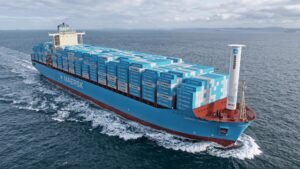
Meanwhile, uptake of wind-assisted propulsion continued, with 24 ships delivered featuring the technology and 63 sails installed during the year, underlining the growing role of efficiency measures alongside alternative fuels in shipping’s decarbonisation strategy.