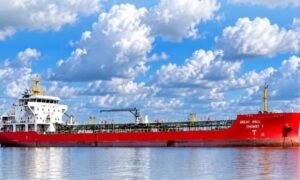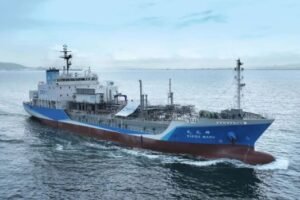

The International Association of Classification Societies (IACS) has updated its rules to allow marine engines to run on ammonia fuel.
The change is part of the industry’s push to cut carbon emissions and move towards cleaner, zero-carbon fuels.
Under the updated rule, known as UR M78, ammonia is now officially recognised as an approved fuel for ship engines, alongside fuels such as LNG and methanol. The new version also introduces detailed safety requirements to deal with ammonia’s toxic and flammable nature.
These include systems to detect and control leaks, equipment to safely release pressure in emergencies, and stricter design standards for pipes, hoses and engine ventilation. Engine makers will also need to submit detailed safety plans and risk studies before their designs are approved.
IACS said the new rules will apply to newly approved engine designs from 1 July 2027.
“The inclusion of ammonia in UR M78 represents a major milestone in our journey toward decarbonization,” said Dr Ajay Asok Kumar, chair of IACS’s General Policy Group.
He added that the new standards aim to support innovation while keeping crews and ships safe.
IACS represents 12 major classification societies and covers more than 90% of the world’s cargo-carrying fleet.